DermaNetwork.org DermaNetwork.org


In This Skin


June 2010 Blog Archive

Wednesday, June 30, 2010
Use Internet Marketing Techniques to Boost Your Practice's Referrals
• Estimates say there were over 200 million websites on the internet in January 2010
• Nearly 74% of North Americans use the internet

The online community is a huge, growing audience. Having an online presence that represents your practice well is becoming a vital part of modern business practices. Don’t lose your patients to other internet-savvy facilities!

Even if you have a website, networking services like DermaNetwork.org are valuable to maximizing your online impact. Enabling prospective patients to find you amid the millions of websites out there is essential for your online marketing to be effective. Joining an online network of specialists on a top ranking website can do wonders for your practice. Consider these facts:

• In April 2009 alone, 14.8 billion online searches were performed in the United States
• A study showed that 81% of internet users used search engines to find new websites

DermaNetwork.org already ranks for many of the top terms in the cosmetic dermatology industry. When you join the network, your facility benefits from both procedure and location-specific keyword rankings.

Reach out to potential new clients by making your facility’s information easy for them to find. DermaNetwork.org provides an established, identifiable entity for your practice to associate with, and focuses on connecting specialists with patients nationwide.


Wednesday, June 30, 2010
Dysport or Botox? Explore Your Options

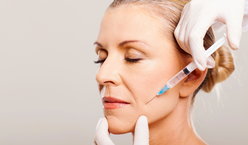
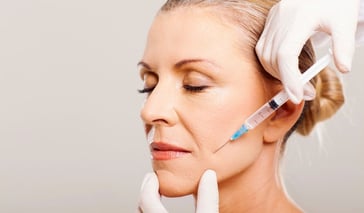
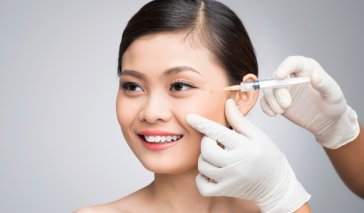
Dysport is the newest competition for BOTOX, the injectable medication that uses botulinum toxin A to immobilize muscles for a short period of time. Until Dysport came along, BOTOX had a monopoly on the wrinkle-immobilization market. But now, Dysport provides an alternative to BOTOX for patients to consider when deciding the best way to fight wrinkles.


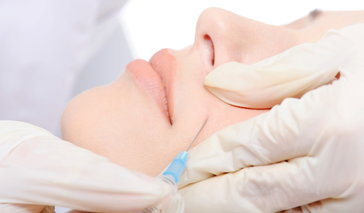
Botox and Dysport are more alike than different. Dysport is also made from botulinum toxin A and is used in the same manner as Botox, which is typically injected between the eyebrows, next to the eyes and on the forehead.


Because the use of Botox injections causes an immune response within the body, Botox can lose its effectiveness when used regularly over a long period of time. The body can 'get used' to BOTOX.  Dysport, however, uses fewer proteins and therefore elicits a much weaker immune response within the body. Those who have found that Botox no longer works for them may benefit from Dysport treatments.


Some specialists notice that Dysport seems to work more quickly than BOTOX to reduce wrinkles, but the two products last for about the same amount of time before 'touch-ups' are needed.


The biggest advantage to patients receiving Dysport injection is the price; it's cheaper than Botox, and it's possible that with some competition prices for both products may be drop even more.


To learn more about Dysport and BOTOX, consult your local specialist.


Monday, June 28, 2010
Melanoma Victim's Story Told in Public Service Ad Campaign

A self-proclaimed tanning addict, Jaime Regen Rea spent lots of time in tanning salons during high school. Jaime, who also spent time in the sun, was diagnosed with melanoma, the deadliest form of skin cancer, at age 20. She died before she reached her 30th birthday. Now her family is honoring Jaime's memory by participating in the American Academy of Dermatology's (Academy) new TV and print public service advertisements (PSAs) that educate people about the increased risk of melanoma from tanning beds and sun exposure.


There are multiple causes of melanoma, but exposure to UVA and UVB rays are a major factor. Many people don't realize that exposure to these dangerous rays can occur in indoor tanning salons, in addition to being outdoors in natural sunlight. Indoor tanning has been associated with a 75 percent increased risk of melanoma, the most common form of cancer for 25-29 year olds and the second most common form of cancer for 15-29 year olds.


There are numerous 'safe tanning' methods that can help you achieve a glowing complexion without the risks associated with sun damage. Cosmetic products, lotions, and even sunblocks can be purchased that contain skin-darkening agents, helping your skin to appear tanned in a safe way. Contact your skin care specialist for more information about sunless tanning products, or to learn more about skin conditions related to sun damage, like melanoma. Click here for a skin care specialist near you.


Wednesday, June 23, 2010
Get the Answers You're Looking for with Ask-A-Specialist

How many times have you had a health question, but couldn't find a helpful answer? Google results can be generic, and friends or family may not have all the facts about the products and treatments available.


DermaNetwork's Ask-A-Specialist is a fantastic resource, where dermatology questions are welcomed and answered by experienced specialists. Get answers you can trust from experts in the industry, delivered right to your email inbox. It's easy, free, and virtually anonymous.


Get answers to popular questions like this one, submitted by a site visitor like you:


Can Botox travel once it is injected? I've heard horror stories about how botox can travel and cause unwanted eyelid drooping, muscle spasms, numbness, etc. Is there any merit to these concerns?


Read the answer to this question, and start asking questions of your own by Clicking Here!


Tuesday, June 22, 2010
After 30 Years, still no Stance on Sunscreen from FDA

1978: "Annie Hall" won best picture, Sony's Walkman was born, and the FDA began developing regulations for sunscreens. Over 30 years later, the Food and Drug Administration still hasn't issued it's final guidelines and regulations.


Why does it matter? Because without FDA regulations, manufacturers of sun protection products aren't as accountable for what they claim their products can do. In many cases claims like "waterproof" or even "SPF 75" are not required to be proven to legally appear on product labels.


According to an article in the Washington Post, "since the [FDA] began working on the regulations in 1978, the FDA has received two requests from seven U.S. senators, a petition from one state attorney general and a congressional mandate to finish the job." The FDA did issue sunscreen regulations in 1999, but they never took effect, since some organizations like the Cosmetic, Toiletry and Fragrance Association had concerns about some of the guidelines. Also, the FDA decided not to enforce the 1999 guidelines because they felt the rules may not be comprehensive enough, given that they didn't take into account all types of potentially damaging rays.


The FDA does plan to issue new regulations for sunscreens in October of this year, which will probably take at least a year to be put into effect.


What does this mean for you? As a consumer, it's important to keep in mind that you are ultimately responsible for your safety. Many sunscreen manufacturers DO follow guidelines to ensure their products are effective and safe, so just make sure you are well informed and do some research if you feel you need to. If you have questions about sun protection products, consult your local dermatologist for information and recommendations.


Monday, June 21, 2010
First Day of Summer! Celebrate Sans Sunburn
While you may have started celebrating early, June 21 marks the first official day of Summer! While that's good news for the kids and beach-goers, early Summer days can wreak havoc on skin that's just emerging from hibernation. Here are some quick facts about sun damage, and tips about how to protect your skin this Summer:

1) Sun damage is cumulative. Small amounts of sun exposure over time can result in damaged skin--leading to wrinkles and skin cancer.

2) Avoiding the sun during the middle of the day helps avoid damage. When possible, staying indoors when the sun is at it's most intense (between 10am and 2pm) is a good idea.

3) Not all sunscreen is created equal. Carefully inspect your bottle of sunblock: is it a high enough SPF to adequately protect you? Does the date show it's expired? Is the formula a good match for your needs (i.e. will it stay on in water if you're planning to swim)?

4) All skin types need sun protection. While those with more melanin in their skin (darker skin tones) may not burn as easily, photodamage can still occur, so it's important to protect all skin types by applying sunblock or wearing UV-protective clothing when spending time in the sun.

For more information about sun damage, skin health, and cosmetic dermatology, visit DermaNetwork.org.
Friday, June 18, 2010
Botox Bioterror Weapon? Concern and Controversy

Could the famous wrinkle-fighter BOTOX be used by terrorists as a weapon? A report in this month's Scientific American notes that botulinum toxin is a lethal poison and could be used as a potential biological weapons agent. The article discusses the possibility that illegal manufacturers could sell the toxin to terrorists or could be subversive themselves.


Consumer demand for counterfeit products containing botulinum neurotoxin may be increasing the number of illicit toxin producers. Companies producing "knock-off" or imitation BOTOX might be considered the most suspicious when it comes to supplying terrorists with the toxin, since they are already doing something illegal.


But BOTOX producer Allergan has spoken out against the rumors of BOTOX's risks; Allergan says the toxin couldn’t possibly pose a threat in the hands of terrorists. Allergan also dismisses the possibility that imitation or diluted BOTOX could be considered a biological weapon, and that the makers of such counterfeit products could be dangerous themselves. According to an article by the Orange County Register, Caroline Van Hove, Allergan’s vice president for corporate communications said that counterfeiting is uncommon, and that "We [Allergan representatives] collaborate closely with governments when a potential issue does arise," making the possibility of dangerous counterfeiting companies selling the toxin to terrorists unlikely.


To learn more about BOTOX , click here, and check back with this blog for additional updates on this controversy.


Tuesday, June 15, 2010
The June Bride: Top Bridal Cosmetic Treatments

June is the most popular month for weddings, and who doesn't want to look their best on their wedding day? With all eyes on the bride, there's a lot of pressure to maintain that 'bridal glow' from the bachelorette party to Mr. and Mrs.


There are a multitude of things brides can do to perfect their look on their big day. Here are some of the top cosmetic procedures:


1) Weight loss treatments. Enrolling in bridal boot-camp? Enhance your weight-loss results by incorporating a cosmetic procedure to address your problem areas. Wedding preparations in 2008 included $274 million spent on weight-loss services, according to Wedding Report Inc., which monitors the industry. Procedures like SmartLipo and other laser liposuction treatments specialize in contouring specific body areas with minimal invasion and recovery time required. Fitting into your dream dress has never been easier!


2) Dermal Filler Injections. Wrinkles and crow's feet aren't on the guest list! Blushing brides can avoid fine lines and wrinkles by choosing popular dermal fillers like Juvederm, Restylane, or Radiesse. It's a good idea to start having injections a few months before the wedding to be sure you are happy with the results--and this way, you'll look amazing for your bridal shower and bachelorette party, too!


3) Sunless tanning. A great tan will make that white dress stand out even more! But even the June bride might need a little help when it comes to achieving an even, deep glow (without tan lines!). Don't risk you skin's health in an effort to look good, though--there are a ton of sunless tanning options available to help you achieve the look you want without the risks and side effects. Lotions, sunscreens, and even specially-formulated moisturizers can contain bronzing agents, and there's always the spray-tan option--include your bridesmaid's and throw a tanning party the week before the wedding!


Thursday, June 10, 2010
Birth Control and Acne: What's the Connection?

Everyone wants to look younger, and while Acne may make you look like a hormonal teenager again, that's probably not the kind of youth you're interested in. Acne can be an aggravating condition for both teens and adults, and seeking treatment options for acne can seem almost as frustrating as suffering from it. While topical creams and even antibiotics seem like logical solutions (acne can be caused by bacteria on the skin, after all), one remedy frequently recommended by dermatologists to female patients is a low-dose hormonal birth control pill.


But why? Why would taking a pill that prevents pregnancy prevent zits? Well, as it turns out, acne can be caused by a few, or a combination of, different factors. An abundance of oil on the skin's surface is often a cause of teenage acne, but hormones can definitely play a part as well--don't most kids get acne when they hit puberty? The same goes for adults; female hormones fluctuate throughout the month, and certain spikes can cause breakouts.


Birth control pills regulate hormones, and have been found to help women control their acne breakouts. But you shouldn't start taking the pill unless you intend to use it for birth control and are comfortable with the risks involved. There are many alternative ways to manage acne, including photodynamic therapy and chemical peels. Contact a specialist today for more information!


Tuesday, June 08, 2010
New Issue of VEIN Magazine

Physicians and Skin Care Specialists!!! If your facility provides cosmetic vein treatments, be sure to check out the latest issue of VEIN Magazine for the latest industry news.


This issue's cover story discusses the idea of vein treatment specialists adding laser liposuction and other laser procedures to their practice. Other articles, previews of conferences, new technology, clinical studies, and more are covered in this one-of-a-kind publication. VEIN Magazine is issued quarterly, and contains both high-quality editorial and relevant advertisments from companies and vendors in the venous or cosmetic industries.


To view the newset issue of the magazine, click here. Subscription is free for physicians, and the subscription form is accessible via the magazine homepage, http://www.veindirectory.org/magazine/.


Monday, June 07, 2010
Hyluronic Acid: Beauty's Newest Buzzword
Beauty buzzwords like 'collagen,' 'green tea,' and 'peptides,' have been joined by newcomer 'hyluronic acid.' A naturally derived substance, hyluronic acid has been used in dermal fillers for years; it's viscous texture an integral part of wrinkle fighters like Restylane, Perlane, and Juvederm.

But recently, cosmetic companies and skin care lines have been promoting topical and other products featuring the ingredient. Just like collagen, hyluronic acid is being added to skin moisturizers, lotions, makeup, and more. Consumers need to be careful, though, not to be misled--while hyluronic acid does work wonders against wrinkles when injected under the skin, smoothing it across pores wont provide the same result. In an article in the Los Angeles Times, Dr. Nowell Solish, a cosmetic dermatologist, dermatological surgeon and director of Dermatologic Surgery at the University of Toronto discussed how hyluronic acid molecules are too large to be absorbed by the skin. "It forms a barrier on the skin and gives a soft moisturizing effect that makes skin smoother … but it doesn't eliminate wrinkles," Solish said. Click Here for the whole article.
That being said, hyluronic acid is an important part of the cosmetic arsenal, and a wrinkle-fighting weapon that is as natural as it is powerful. One great advantage of hyluronic acid is that whether it is derived from a human, animal, or synthetically, the human body recognizes it, allowing for very very few negative reactions.

To learn more about the wonders of hyluronic acid, contact a local specialist. And to read about hyluronic acid products like Juvedermor Restylane, , click on the links!
Friday, June 04, 2010
Self-concious About Cellulite? Try Synergie!
Are you and your cover-up inseparable on the beach? Cellulite can cause a disturbing lack of confidence in even the most outgoing people. But a new treatment is available to those looking for a fast, non-invasive option to treat those dimpled thighs. Meet Synergie!

The Synergie systems created by Dynatronics give skin care providers a way to sculpt the body and restore the appearance of youthful skin using vacuum massage. Three different instruments allow the skin care provider to work on any part of the body which needs toning or firming. These machines create the relaxing suction which is used to smooth away cellulite, improve skin elasticity, increase skin exfoliation, and take away inches without additional dieting or exercise.

You read it right: a massage that treats cellulite and tightens skin. No recovery time is required, and results are visible after just a few treatment sessions. To schedule your beautifying massage (Synergie Treatment) contact a local specialist, and to learn more about Synergie, Click Here.
Wednesday, June 02, 2010
June is Acne Awareness Month
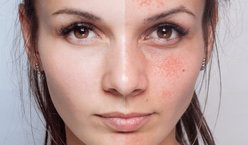
Did you know that June is Acne Awareness Month?  Acne can be a very frustrating condition to manage, as it can be caused by a variety (or combination) of factors. There are also numerous myths about acne that can confuse consumers as they try to treat and determine the causes of their acne flare-ups. Some common acne myths include:

1) "Myth: Eating greasy foods will give you acne"
Fact: It's always important to eat a balanced diet of foods rich in vitamins and minerals, but eating junk foods such as chips, chocolate, fries, and pizza, in moderation, won't harm your skin. There is no connection between the oil in the foods and the production of the natural oils in the skin.

2) "Myth: Only teenagers get acne"
Fact:While it's true that acne is common during puberty, when the hormones are the most active, teens aren't the only ones who suffer from it. Adult men and women can both develop acne but it is more common in women because of the constant fluctuation of hormones during each menstrual cycle and even during pregnancy.

3) "Myth: All acne can be treated in the same way"
Fact: There are different types and levels of acne, so it should be handled in an individualized way. Skin type, age, and the root cause of the acne can all influence which products or treatments will work best. There are a wide variety of treatment options available, including photodynamic therapy , chemical peels , and topical treatments. Consult a local specialist for a personalized recommendation.


Copyright © 2012 HealthNews.org. All Rights Reserved. Do not use this website as a substitute for medical care. Please consult your physician or other medical care provider regarding any medical questions you may have.

DermaNetwork is an informational site to find doctors & specialists dealing with awareness, problems, treatments, and costs associated with skin care.