
Photodynamic therapy (PDT) was first used in 1905 for the treatment of skin cancers. Since then, it has been further developed and used for the treatment of many kinds of cancers (lung, colon, etc.) as well as certain kinds of blindness. PDT combines a drug (called a photosensitizer) that is preferentially absorbed by certain kinds of cells and a special light source. When used together, the photosensitizer and the light destroy the targeted cells. More recently, however, PDT has been used for photorejuvenation, wrinkles, discoloration, visible veins, and acne. When used for these conditions, the photosensitizer is applied to the face and then the skin is exposed to a light source. Rapidly growing cells, oil glands, and other structures in the skin absorb the photosensitizer and are destroyed by a reaction caused by the light. Cosmetic improvement in wrinkling, age spots, and visible veins has been documented after PDT treatment.
Photodynamic Therapy (PDT) Treatment:
PDT is a new advance in facial rejuvenation and there are currently different methods in use. For example some physicians use blue light, red light, or intense pulse light. The photosensitizer is applied to the skin and is left on for a variable period of time. The skin is then exposed to the light source and the photosensitizer is then removed. Reported side effects include transient burning, stinging, swelling, and redness. Side effects are variable depending on what is being treated, how long the photosensitizer is left on, and which light source is used. No long-term studies have been performed to evaluate long term side effects.
What are PDT’s advantages?
There are several advantages of photodynamic therapy over other forms of facial rejuvenation. For example, PDT is less destructive (and therefore less painful) than many of the deeper peels and lasers. There is also minimal recovery time. It is also a proven technique for the treatment of precancerous lesions. Thus, depending on the technique used, there may be an additional benefit of preventing skin cancer.
What are PDT’s disadvantages?
The disadvantage of photodynamic therapy is that it is new. Long-term side effects are unknown, and the benefits are not as well studied. For example, PDT is not known how long the benefits last.
Although PDT is a promising new therapy, you need to discuss the risks, benefits, and alternatives with your physician to decide if PDT is right for you.
PDT Cost
The cost for a pdt can be anywhere from $550 - $800.
  |
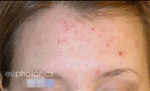  |
All photos courtesy of S. Zimmet, MD and P. Bitter Jr., MD