Lip Enhancement (Lip Augmentation)
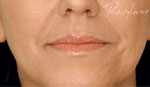
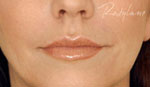
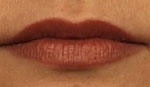
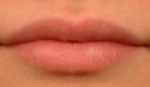
Lip enhancement creates fuller, plumper lips, and reduces fine wrinkles around the mouth. Lips can be injected with a variety of substances including collagen (human or bovine), hyaluronic acid, synthetics (i.e. silicone), or fat which the patient donates from another part of his/her body. Hyaluronic acid, collagen, and fat are eventually absorbed by the body so repeat treatments are necessary to maintain results. Silicone is considered to be permanent filler but has more side effects. There are newer, more permanent options such as implantable materials like AlloDerm and SoftForm.
Lip Enhancement Techniques:
The materials described above can be injected or surgically implanted into the lips. One injection is usually sufficient to produce the desired result. Depending on the filler, injections need to be repeated periodically. Proper placement of the injected material is important. Implants, such as AlloDerm, (made from a natural collagen sheet), are inserted through tiny incisions inside the corners of the mouth. Once the AlloDerm implant is in place, it eventually becomes integrated with normal tissue. Gore-Tex, SoftForm and soft ePTFE are other synthetic implant options.
Further lip enhancement options include:
• Autologen — injectable dermal implant material made from the patient’s own skin.
• Dermalogen — injectable Human Tissue Matrix (HTM) procured from donor tissue.
• Fascia — injectable donor tissue made from the dense white connective tissue that supports body structure. This tissue can also be used as a surgical implant.
• HylaForm or Restylane — a crystal-clear injectable gel; the hyaluronic acid in Hylaform is similar to that naturally found in the body.
• Radiance — calcium hydroxylapatite
Another augmentation choice is laser lip rejuvenation, which tightens the natural collagen and elastic tissue beneath the lips.
Lip Augmentation Benefits:
• Immediate return to normal activities (one-day return if sedated) for nonsurgical lip augmentation procedures; depending on the procedure and materials used, recovery period is within a week for surgical procedures.
• AlloDerm and Dermalogen do not require patients to provide donor tissue and are not rejected by the body, because they are human tissue. Usually they have a pliable, natural feel.
• Gore-Tex implants are permanent, easily inserted and well tolerated by the body.
• Temporary procedures like collagen or fat injection can be appealing to patients who want to experiment with a fuller-lipped look, but not necessarily commit to it.
Other Considerations:
• Allergic reactions, which are rare, can cause prolonged redness, swelling or itching, or firmness at the injection site. Other possible complications include infection, bleeding, lip asymmetry, and migration or extrusion of implants. Normal swelling and bruising lasts from three days to a week.
• Patients with a reaction to the pre-treatment collagen skin test; who have a serious allergy history; or are allergic to lidocaine (a local anesthetic) should not consider lip augmentation. Treatment is sometimes postponed for patients with active inflammatory skin conditions or infections.
• Collagen injections have a short-lived effect, approximately 9-12 weeks. Fat injections provide longer-lasting results, but are sometimes unpredictable as to the degree of improvement, and can lead to lumps or scars. Also, fat must be harvested from another part of the body.
• Soft-form is a foreign body and may become infected or be rejected.
While many techniques exist for lip augmentation, none are perfect. You and your physician should discuss the risks and benefits to decide if lip augmentation is for you.
  |
  |
 |
 |
- What is lip augmentation?
- What are fillers used for during lip augmentation?
- What does lip augmentation feel like?
- How long does lip augmentation last?
- How will my lips feel after lip augmetation?
- More FAQs on Lip Augmentation
» Find a Lip Augmentation Specialist
Photos courtesy of Q-Med & BioForm Medical, Inc.